What the HFCM is, and what it carries
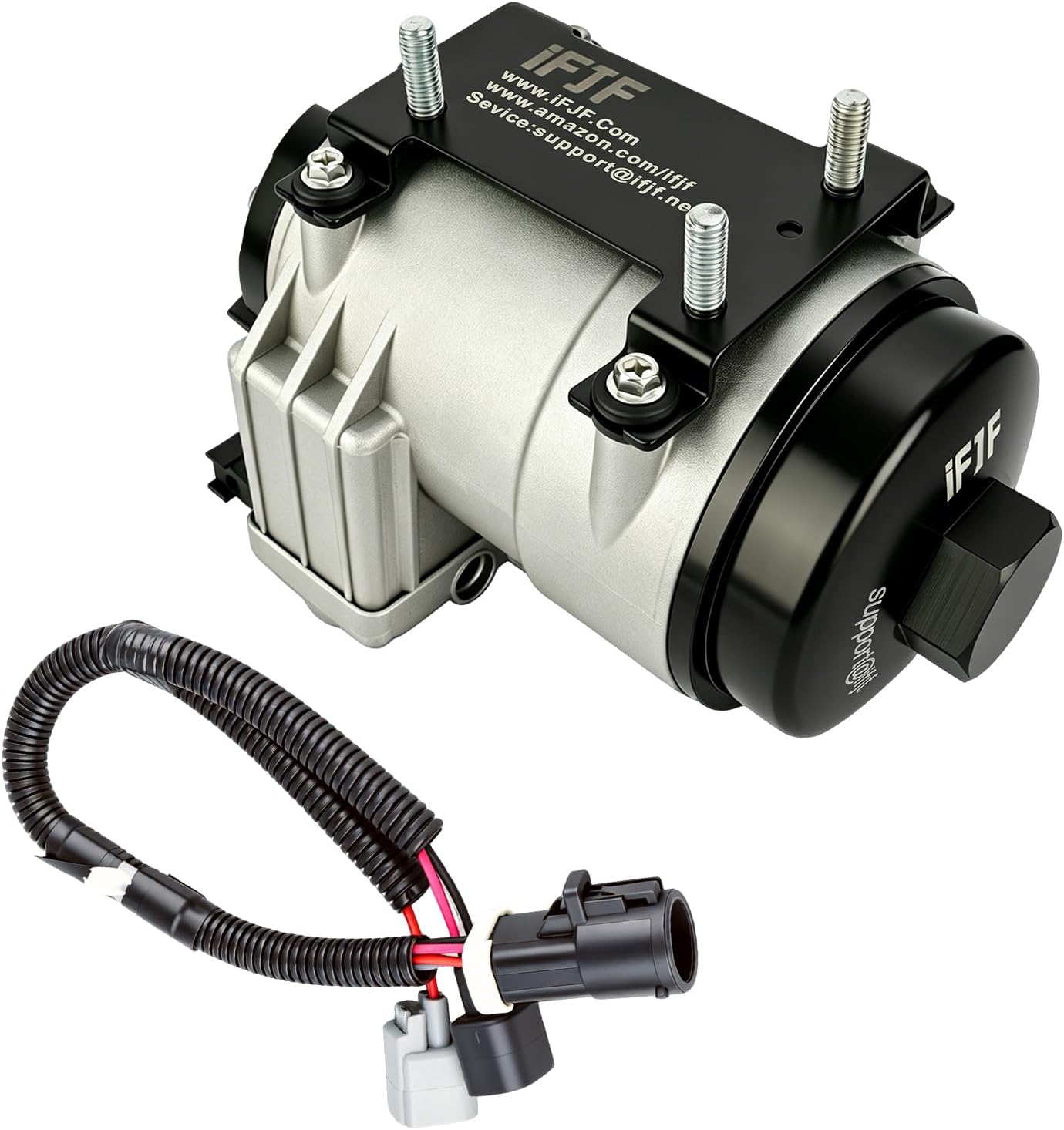
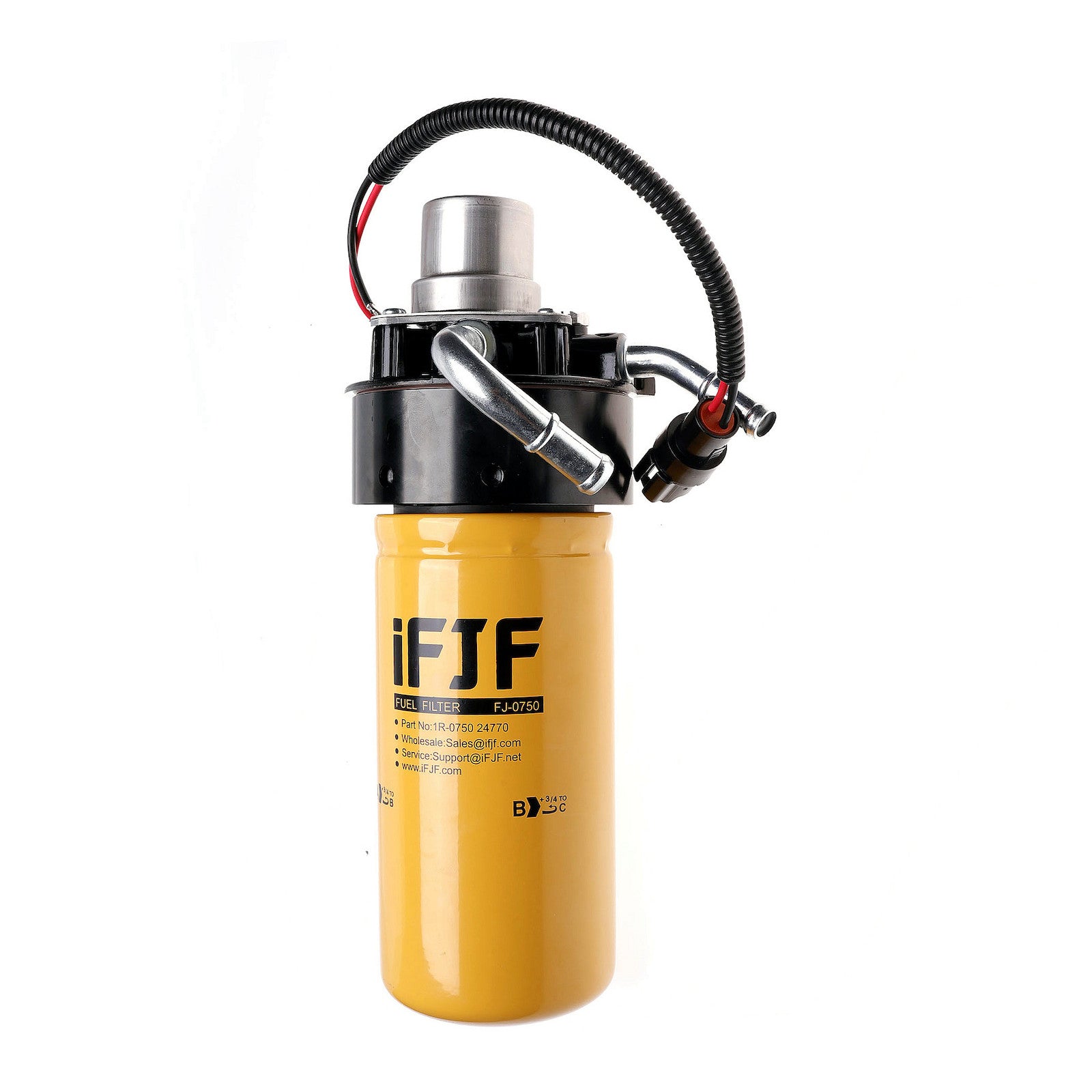
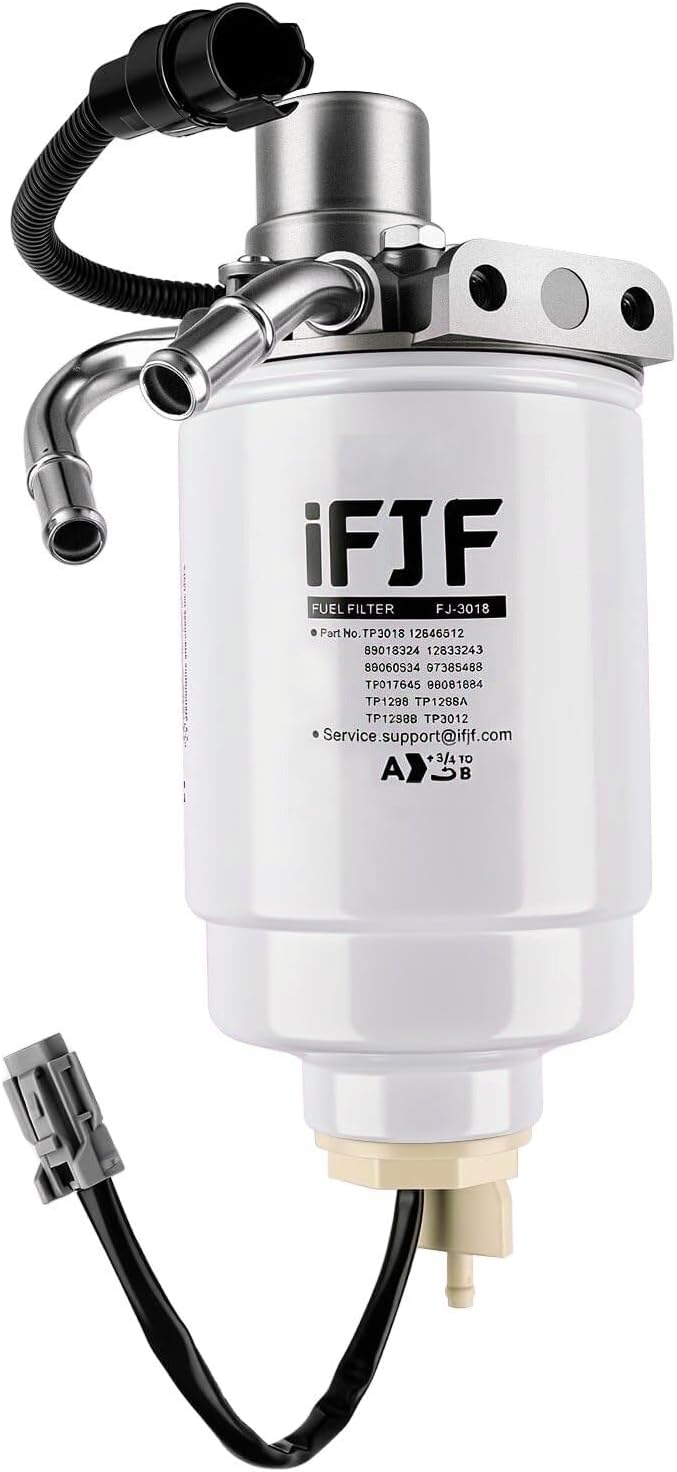
The Horizontal Fuel Conditioning Module on the driver-side frame rail of a 2003-2007 6.0L Powerstroke is the heart of the low-pressure fuel system. Inside one casting: the lift pump, the primary fuel filter, the water separator and the fuel heater. When it stops, the truck stops.
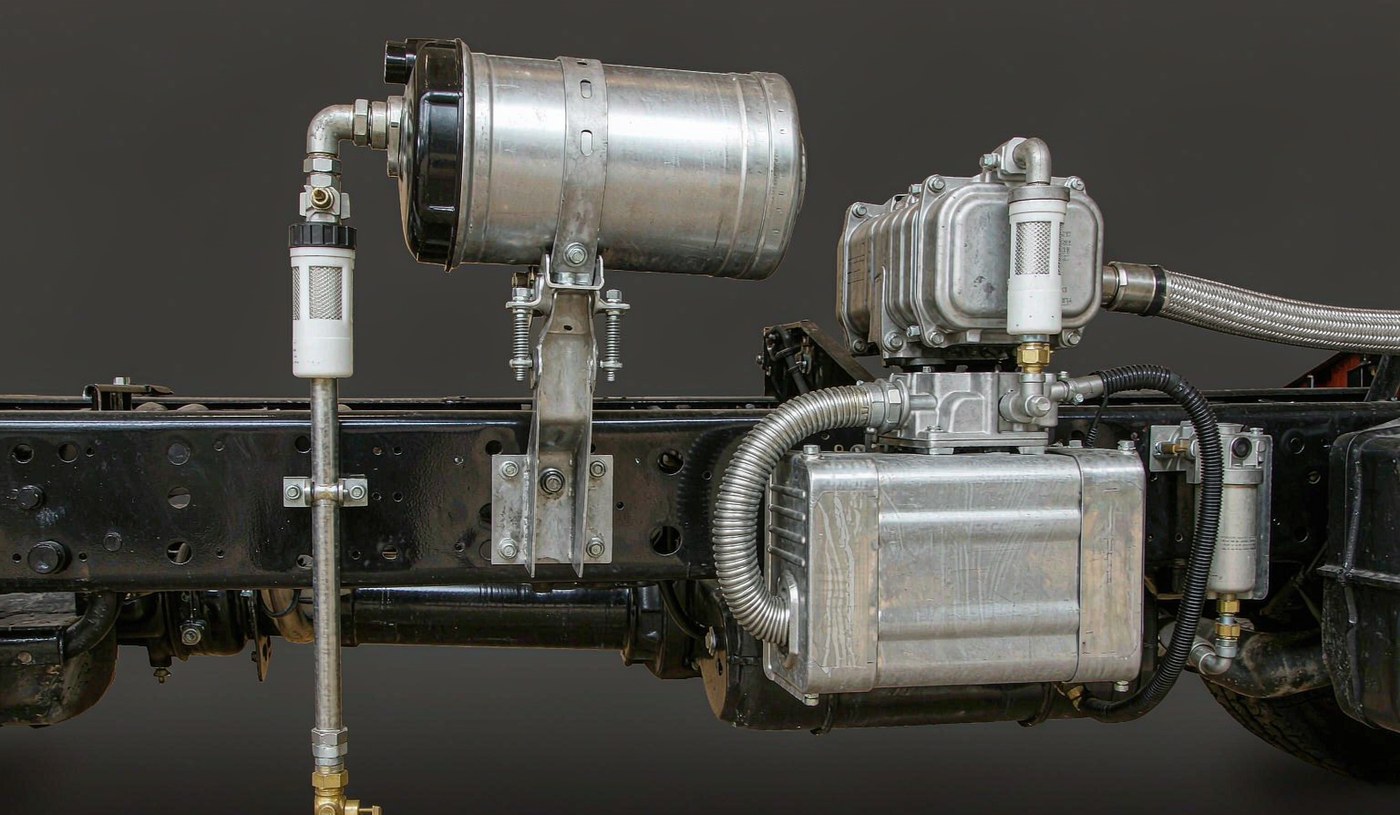
HFCM on the frame rail — lift pump, primary filter, water separator and heater in one casting.
Confirming the diagnosis
- Long crank before start. Five seconds or more, worst after sitting overnight.
- Cranks but will not fire. Starter fast, batteries good, no combustion.
- Stalls under load or on hills. Pressure drops and the injectors stop firing correctly.
- Rough idle that smooths above 1,500 rpm. A weak pump cannot hold pressure at low engine speed.
- Water-in-fuel light stays on after draining the separator.
- Pressure below 45 psi. Gauge on the test port of the secondary filter housing: 50+ psi at key-on, engine off.
Two or more of those and the module is done. There is no economical rebuild — the internal gerotor wears and the motor burns out. A complete assembly arrives with pump, filter, manifold, separator and heater in one piece: one bolt-in and the job is finished.
Tools and parts
- 8, 10 and 13mm sockets, deep and shallow
- 3/8 and 1/4 in ratchets with extensions
- Fuel line disconnect tool — the plastic scissor type, not the metal rings
- 6mm hex socket for the drain plug
- Catch pan, two gallons minimum
- Thread sealant rated for fuel — not PTFE tape
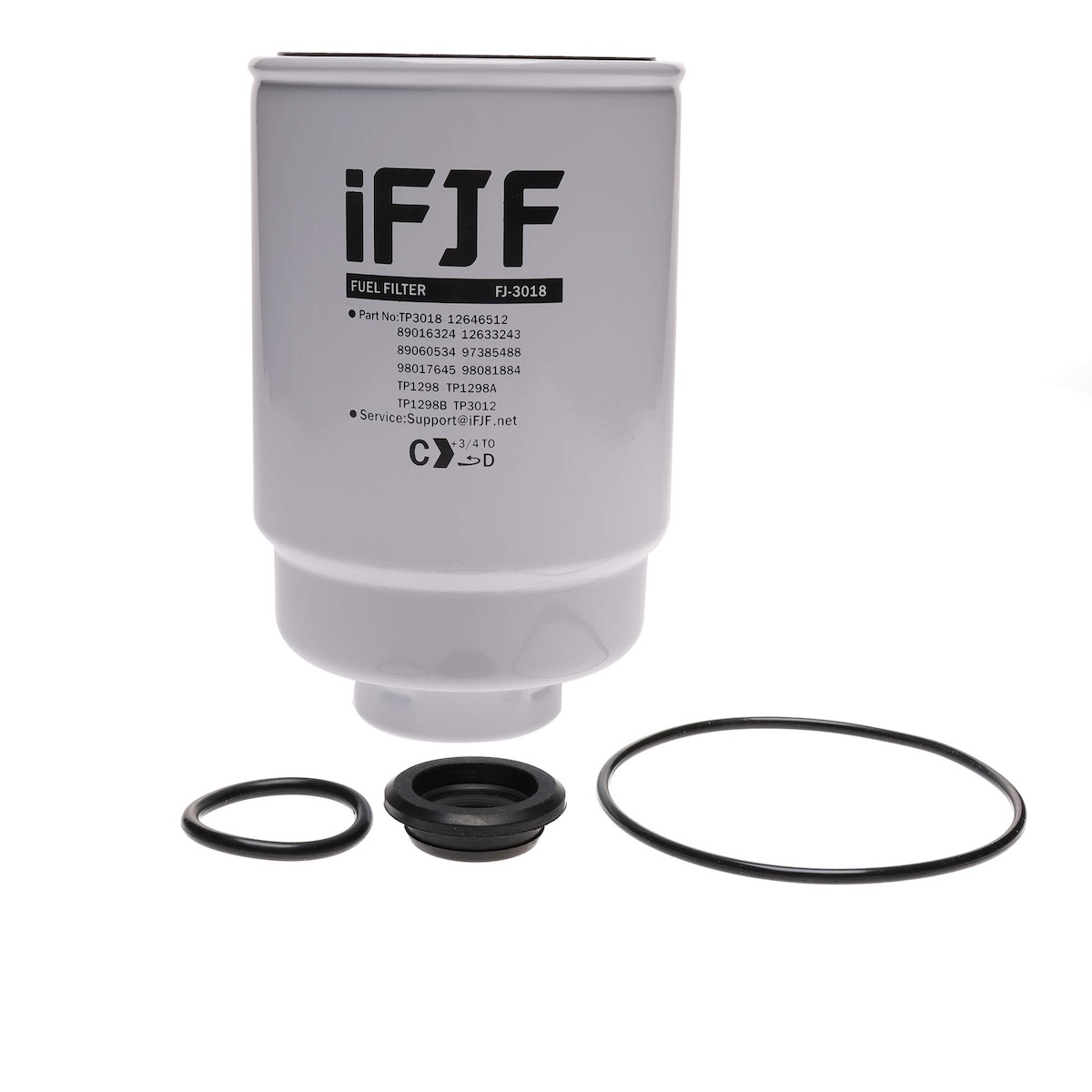
- A new filter set, since you are already there
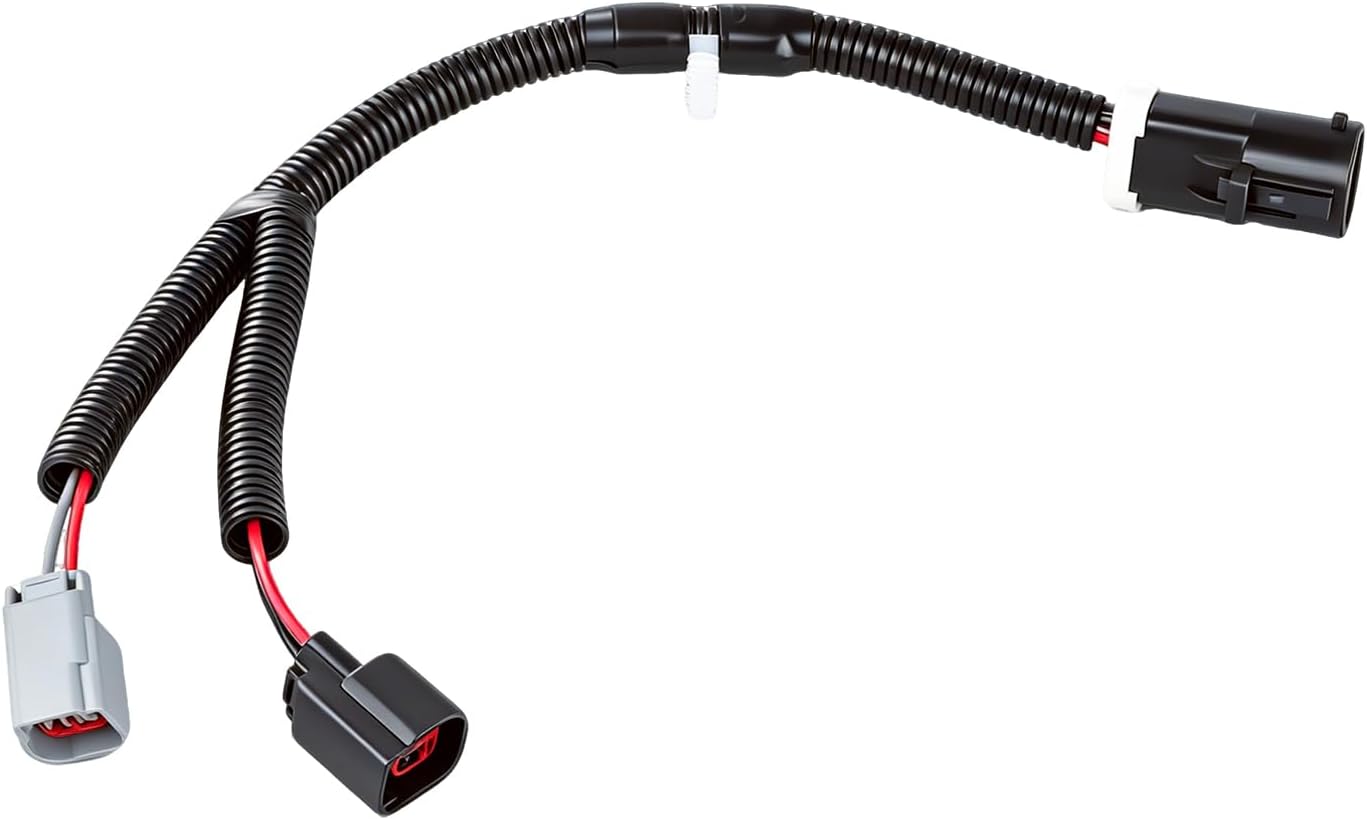
- Inspect the harness connector: green or crusty pins will kill a new pump in months
Removal and refit
- Drain the water separator through the 6mm hex plug into a pan — 4 to 8 ounces, sometimes with water. Nip the plug back so it does not weep while you work.
- Open the fuel cap to release tank pressure, and pinch the feed line if you have a clamp.
- Unplug the main connector at the back of the module. Press the tab, wiggle, pull straight out — a flathead under the tab helps if heat has swollen the body.
- Release four lines: supply, return, output to the secondary filter and vent. Slide the disconnect tool into the collar and pull — do not yank, these fittings break.
- Cap every open line. Dirt in a fuel line becomes an injector failure later.
- Remove the three 13mm bolts holding the module to its bracket, supporting the unit as the last one comes out — it weighs about 8 lb.
- Transfer the bracket if the replacement reuses it, and wire-brush the mounting faces clean.
- Lift the new assembly in, thread all three bolts by hand, then tighten in a crisscross pattern to 18 ft-lb. The bracket ears will snap if you lean on them.
- Push each line onto its fitting until it clicks, then tug it to confirm. A line that lets go at 50 psi empties the tank onto the road.
- Plug the harness in until the tab snaps, and tie it away from the exhaust and sharp frame edges.
Priming — the step that decides whether it starts
Do not crank until it fires. Cycle the key to RUN — not START — for 30 seconds, then off for 10. Repeat six to eight times. You should hear the pump tone shift from a fast rattle to a steady hum as the module fills and pressure comes up. On the eighth cycle it should catch within three to five seconds of cranking. If it does not, two more key cycles, then look for a kinked supply line or a loose connector.
Torque specs
Where this job goes wrong
- Skipping the prime. Forty-five seconds of continuous cranking fills the cylinders with unburned fuel and washes the rings. Key cycles cost nothing but patience.
- Keeping the old filters. A new module with a 15,000-mile filter in the loop is a false economy.
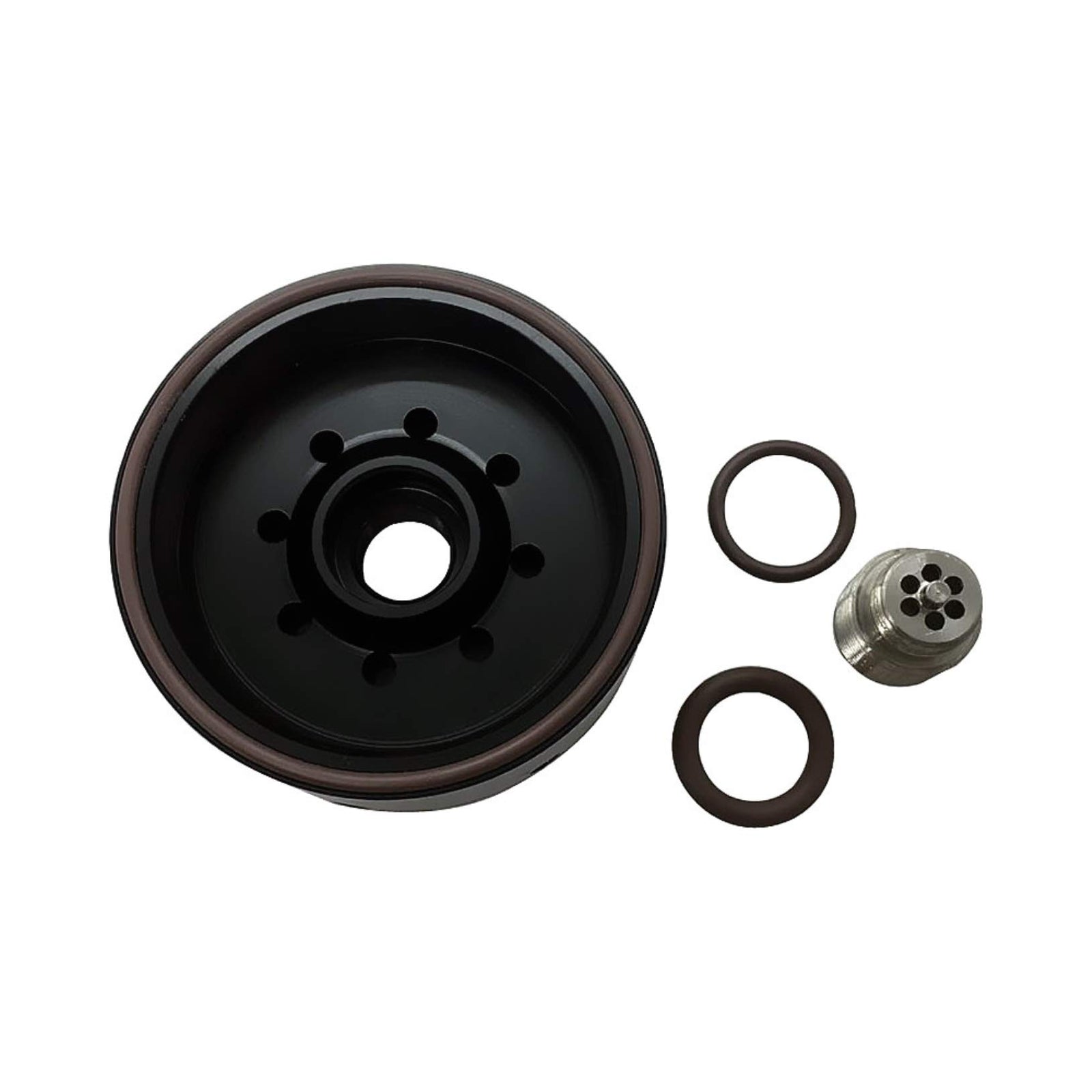
- Over-tightening the cap. It is plastic; a strap wrench cracks the cap or the manifold threads.
- Ignoring a corroded harness. New pump, crusty connector — the connector wins.
- Wrong disconnect tool. Metal ring tools do not release the internal clips on these quick-connects.
FJFilter supplies the complete HFCM assembly and matching filter sets for 6.0L Powerstroke fleets and workshops, with cross-reference data and sample quantities for evaluation. Send your vehicle list and we will return a matched filter and pump schedule.